What Your Gut Is Telling You: How Endoscopy Helps Diagnose Digestive Problems
We talk a lot about wellness, from organic eating and superfoods to gut-friendly recipes. We talk far less about what happens after the meal. Yet persistent heartburn, stomach pain, bloating, or changes in digestion are common, and for many people, they are the body’s way of saying something needs attention.
When symptoms don’t go away, doctors often turn to endoscopy to see what’s really happening inside. Modern endoscopy equipment allows specialists to look directly at the lining of the digestive tract, making it one of the most useful tools for diagnosing problems that diet changes alone can’t solve.
What Is an Endoscopy?
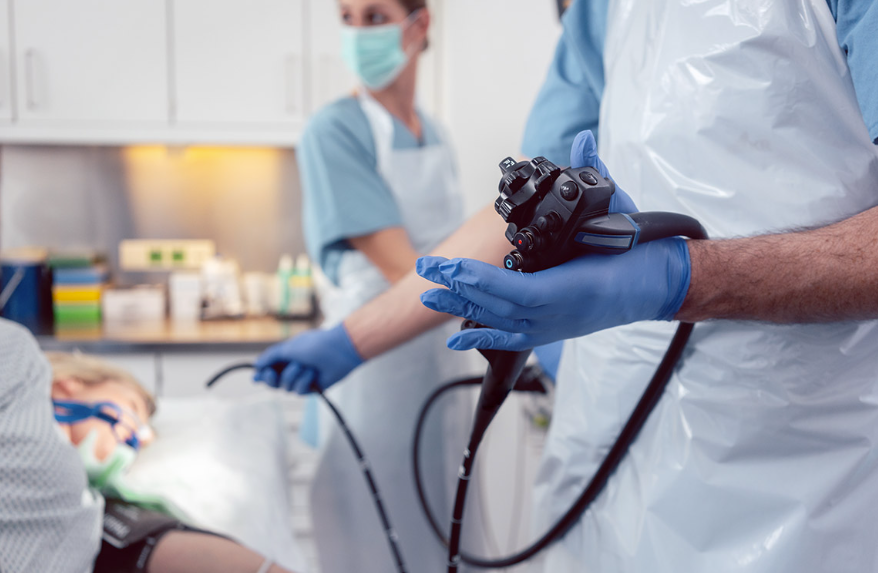
An endoscopy is a procedure in which a doctor uses a thin, flexible tube with a light and camera at its tip, called an endoscope, to examine the inside of the body. For digestive health, the two most common types are upper endoscopy and colonoscopy.
An upper endoscopy examines the oesophagus, stomach, and the first part of the small intestine. A colonoscopy examines the large intestine. Both are usually performed by gastroenterologists, doctors who specialize in the digestive system.
See also: How Technology Shapes Creativity
Symptoms That May Lead to an Endoscopy
Doctors may recommend an endoscopy for a range of reasons. Common ones include ongoing heartburn or acid reflux, difficulty swallowing, persistent stomach pain, unexplained nausea or vomiting, signs of bleeding, and unexplained weight loss.
Colonoscopy is also widely used for screening, particularly to check for polyps that could develop into colorectal cancer over time. Screening recommendations vary by age, country, and personal risk, so it’s worth discussing with your doctor.
Conditions Endoscopy Can Help Identify
Endoscopy allows doctors to spot a variety of digestive conditions. These include inflammation of the oesophagus from acid reflux, stomach ulcers, gastritis, and signs of celiac disease, an immune reaction to gluten that damages the small intestine. It can also reveal polyps, narrowing of the digestive tract, and other abnormalities.
During the procedure, doctors can often take small tissue samples, known as biopsies, for laboratory testing. In some cases, they can also treat problems on the spot, such as removing polyps or stopping bleeding.
What to Expect During the Procedure
For many people, the idea of an endoscopy is more stressful than the procedure itself. Patients are usually given sedation to help them relax, and many remember little of the procedure afterwards.
Preparation depends on the type of endoscopy. For an upper endoscopy, patients typically avoid eating and drinking for several hours beforehand. For a colonoscopy, preparation involves a special diet and a bowel-cleansing solution the day before. Your healthcare team will give specific instructions, and following them carefully helps ensure clear results.
Most endoscopies are outpatient procedures, meaning patients go home the same day, though they usually need someone to accompany them because of the sedation.
After Your Endoscopy
Recovery from a routine endoscopy is usually quick. Some people have a mild sore throat after an upper endoscopy or feel bloated for a few hours because of the air used to open up the digestive tract during the procedure. These effects typically pass on their own.
Because of the sedation, patients are generally advised not to drive, operate machinery, or make important decisions for the rest of the day. Most people can return to normal eating fairly soon, though your doctor may suggest starting with light meals. If biopsies were taken, results usually take a few days to come back, and your doctor will explain what they mean and whether any further tests or treatment are needed.
Anyone who experiences severe pain, fever, vomiting, or bleeding after the procedure should contact their doctor promptly.
How Food and Digestive Health Connect
Diet plays a major role in many digestive conditions. Spicy, fatty, or acidic foods can worsen reflux for some people. Gluten triggers symptoms in people with celiac disease. Fibre, hydration, and regular meals support healthy digestion for most. Keeping a simple food and symptom diary can also help you and your doctor spot patterns worth investigating.
However, diet changes alone can sometimes mask a problem rather than solve it. If symptoms persist despite adjustments, a proper diagnosis is important. Endoscopy gives doctors and dietitians accurate information to build a treatment plan that actually addresses the cause.
When Surgery Becomes Part of the Picture
Sometimes, diagnostic tests reveal a problem that needs surgery. Gallstones are a common example, often linked to pain after rich or fatty meals. Removing the gallbladder is now frequently done with laparoscopic instruments through a few small incisions, which usually means less pain and a quicker return to normal eating than traditional open surgery.
Whether it’s a quick diagnostic endoscopy or a minimally invasive operation, modern medical tools have made caring for your digestive health far easier than it once was. If your gut keeps sending signals, listen to it and speak with a doctor. The information in this article is general and not a substitute for professional medical advice.