Navigating Perimenopause Without Losing Yourself in the Process
Somewhere in your late thirties or forties, your body starts a transition that nobody really prepares you for. Periods become unpredictable, sleep gets lighter and more interrupted, and emotions seem to swing without warning. This is perimenopause — the years-long runway leading up to menopause — and it can last anywhere from a few years to over a decade. The good news is that you don’t have to white-knuckle your way through it. Looking into perimenopause treatment options early can make this transition far more manageable than simply waiting it out.
Understanding What’s Actually Happening
Perimenopause is driven by fluctuating, rather than steadily declining, hormone levels. Your ovaries are winding down estrogen and progesterone production, but they don’t do it in a smooth, predictable line — levels can spike one month and crash the next. This rollercoaster is exactly why symptoms feel so inconsistent. You might have a great week followed by one where you’re snapping at your family over nothing and crying during commercials.
This phase typically begins in the mid-to-late forties, though some women notice changes as early as their mid-thirties. It officially ends once you’ve gone twelve consecutive months without a period, at which point you’ve reached menopause.
See also: How Technology Shapes Culture
Common Symptoms Women Experience
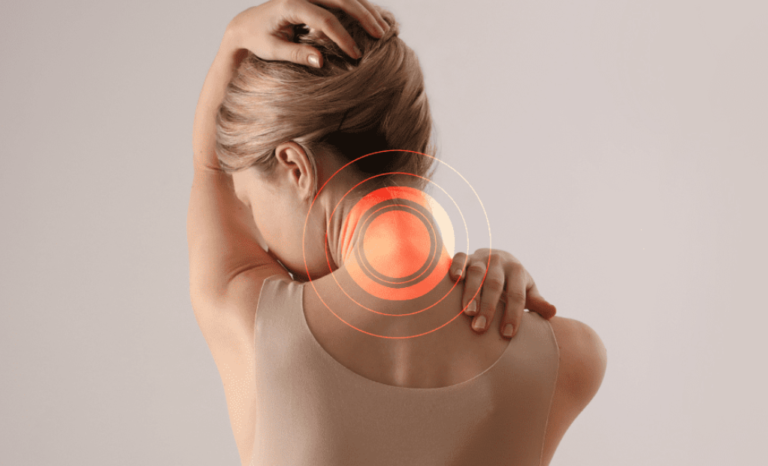
Hot flashes and night sweats tend to get the most attention, but they’re far from the only symptoms. Many women deal with irregular or heavier periods, trouble falling or staying asleep, mood swings, anxiety that seems to come out of nowhere, brain fog, joint aches, and a noticeable dip in libido. Weight gain, particularly around the midsection, is another common complaint — often happening despite no real change in diet or exercise habits.
It’s worth saying clearly: these symptoms are real, they’re hormonal, and they’re not something you simply have to grit your teeth through.
Lifestyle Adjustments That Genuinely Help
Before or alongside medical treatment, certain lifestyle changes can take real pressure off your system. Strength training becomes especially valuable during this period, since declining estrogen accelerates bone and muscle loss. Prioritizing protein intake supports both muscle maintenance and blood sugar stability, which in turn helps smooth out some of the energy crashes.
Sleep hygiene matters more than ever too. Keeping your bedroom cool, limiting alcohol (which disrupts sleep architecture and can trigger hot flashes), and maintaining a consistent bedtime routine all help counter the sleep disruption that perimenopause tends to cause.
Medical Treatment Options Worth Knowing About
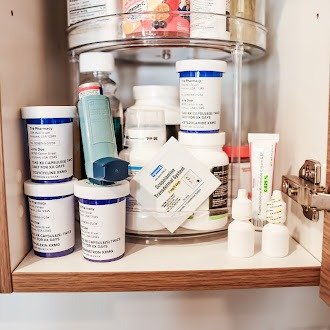
For symptoms that lifestyle changes alone don’t fully resolve, several medical approaches are commonly used. Low-dose hormone therapy can help stabilize the fluctuations causing hot flashes, mood swings, and sleep trouble. Some women find relief with non-hormonal medications originally developed for other conditions but found to ease hot flashes and mood symptoms as a secondary benefit.
Bioidentical hormone options, including pellets, patches, and creams, are increasingly popular because they allow for more individualized dosing compared to older one-size-fits-all approaches. The right choice really depends on your specific symptom pattern, medical history, and personal preferences — which is why a thorough evaluation matters more than picking a treatment off a list.
The Mental Health Piece Nobody Talks About Enough
Hormonal fluctuations during perimenopause can genuinely affect mood regulation, sometimes triggering anxiety or low moods in women who’ve never struggled with either before. This isn’t “all in your head” — it’s a real physiological response to shifting estrogen levels, which directly influence serotonin and other neurotransmitters.
If you notice persistent sadness, irritability, or anxiety that feels out of character, it’s worth bringing up with your provider rather than assuming it’s just something to push through. Treating the underlying hormonal imbalance often improves mood symptoms significantly, sometimes more effectively than addressing mood in isolation.
Building Your Support Team
Perimenopause is easier to navigate with the right people in your corner. That might mean a hormone specialist who actually listens and runs comprehensive testing rather than dismissing your symptoms as “just stress” or “just aging.” It might also mean connecting with other women going through the same thing — whether through friends, online communities, or local support groups — since this transition can feel isolating when nobody around you seems to understand what you’re going through.
Moving Forward With Confidence
Perimenopause isn’t a problem to be fixed so much as a transition to be managed well. With the right combination of lifestyle adjustments, informed medical support, and honest conversations about what you’re experiencing, this stage of life doesn’t have to feel like you’re losing control of your own body. Many women come out the other side of it feeling more in tune with their health than they’ve ever been — armed with knowledge about their hormones that serves them well for decades to come.