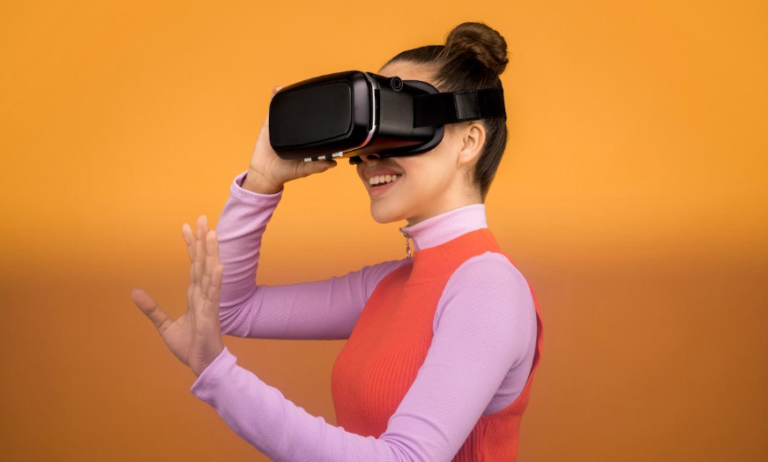
How Technology Shapes Creativity
Technology has transformed the landscape of creativity, introducing tools that expand the possibilities of artistic expression. Digital platforms facilitate collaboration among diverse creators, fostering innovation and inclusivity. As traditional boundaries blur, artists are encouraged to explore new mediums and ideas. This shift raises essential questions about the future of art. What implications do these advancements hold for the creative process and the artists themselves? The answers may surprise and challenge conventional thinking.
The Evolution of Creative Tools
The landscape of creative expression has undergone a profound transformation with the advent of innovative tools throughout history.
Digital artistry has flourished, propelled by advanced creative software that empowers artists to experiment and innovate.
These tools have democratized creativity, allowing diverse voices to emerge and redefine artistic boundaries.
As technology evolves, the potential for self-expression expands, inspiring a vibrant, liberated creative community.
Collaborative Platforms and Community Innovation
While traditional creative processes often emphasized individual vision, the rise of collaborative platforms has fundamentally reshaped how innovation occurs within communities.
Crowdsourced projects harness collective intelligence, enabling diverse perspectives to converge. Virtual workshops facilitate real-time collaboration, empowering participants to share ideas freely.
This interconnectedness fosters a vibrant ecosystem where creativity flourishes, ultimately leading to innovative solutions that address complex societal challenges.
Redefining Artistic Boundaries in the Digital Era
How has the digital era transformed the landscape of artistic expression?
This transformation has redefined artistic boundaries, enabling creators to explore digital artistry in innovative ways.
Virtual exhibitions have emerged, allowing artists to reach global audiences without physical limitations.
Consequently, traditional notions of art are challenged, fostering a dynamic environment where creativity flourishes and diverse voices gain prominence, ultimately enriching the artistic community.
Conclusion
In conclusion, technology shapes creativity by evolving tools, fostering collaboration, and redefining boundaries. It transforms the way artists express themselves, cultivates vibrant communities, and challenges traditional norms. As digital platforms proliferate, they not only democratize access to artistic resources but also inspire innovation across diverse mediums. The interplay between technology and creativity promises to unlock new potentials, encouraging future generations to embrace imagination, explore possibilities, and realize their artistic visions in unprecedented ways.