How Technology Shapes Culture
Technology continuously reshapes cultural landscapes. Communication evolves as instant messaging and social media create new dynamics in personal relationships. Individuals often curate their identities online, reflecting a shift in how self-perception is formed. Additionally, advancements such as virtual reality challenge traditional notions of presence and interaction. As these changes unfold, one must consider the broader implications for creativity and cultural consumption in this ever-evolving digital environment. What might this mean for future interactions and expressions?
The Evolution of Communication in the Digital Age
As technology has advanced, the methods by which individuals communicate have undergone a profound transformation, reshaping social interactions in unprecedented ways.
Instant messaging platforms enable swift exchanges, fostering a culture of immediacy and accessibility.
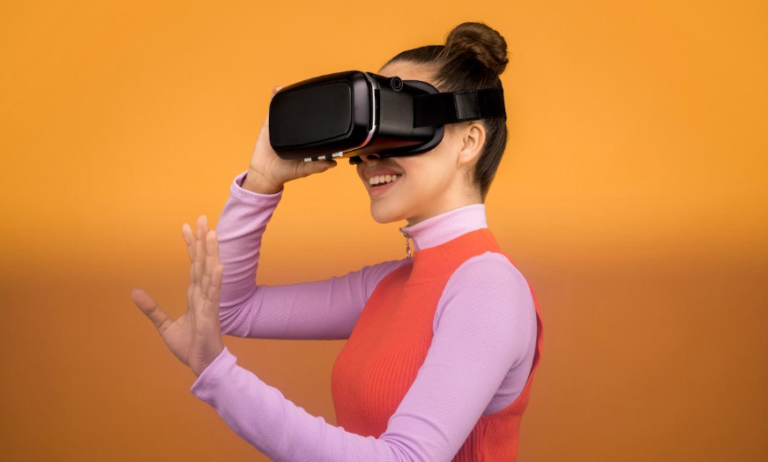
Meanwhile, virtual reality creates immersive environments where conversations transcend physical boundaries, challenging traditional notions of presence and connection.
Ultimately, this empowers individuals to engage more freely in diverse social landscapes.
See also: How Technology Shapes Creativity
The Impact of Social Media on Relationships and Identity
The rise of social media has fundamentally altered the landscape of personal relationships and individual identity. Individuals often curate online personas that reflect idealized versions of themselves, leading to virtual connections that can both enrich and complicate real-life interactions.
This duality challenges traditional notions of authenticity, as people navigate the delicate balance between genuine self-expression and the pressures of digital presentation.
Technology’s Role in Shaping Creative Expression and Consumption
How has technology transformed the landscape of creative expression and consumption?
The rise of digital art and virtual reality has democratized creativity, allowing artists to explore new dimensions and audiences to engage with art in immersive ways.
This shift not only revolutionizes artistic boundaries but also reshapes consumer experiences, fostering a culture where creativity is accessible, diverse, and continually evolving, reflecting society’s collective aspirations.
Conclusion
In conclusion, while critics often argue that technology erodes genuine human connection, it is essential to recognize its role in broadening the spectrum of interaction and expression. By facilitating diverse forms of communication and enabling innovative creative outlets, technology serves not as a detriment but as a catalyst for cultural evolution. This transformation invites a reexamination of authenticity, suggesting that connections forged in digital spaces can possess depth and significance, reflecting the complexities of contemporary human experience.