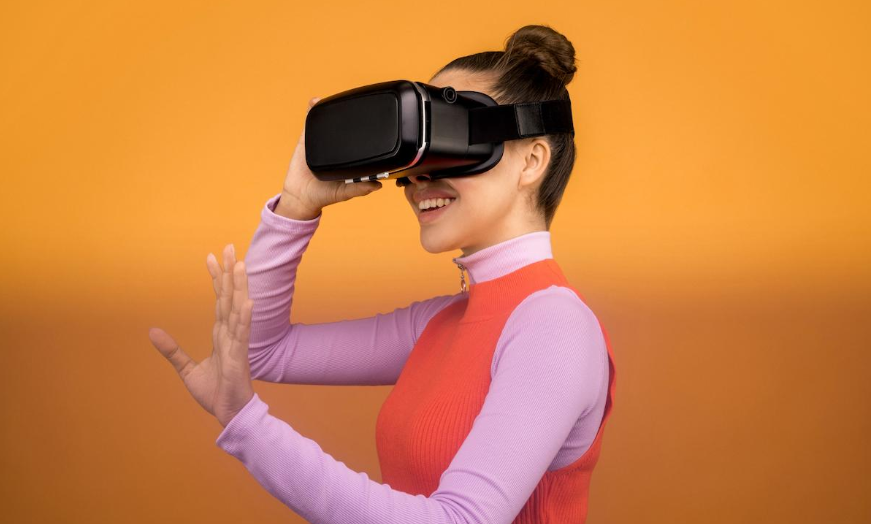
How Virtual Reality Works
Virtual reality is a complex interplay of hardware and software designed to create immersive experiences. The hardware, such as headsets and motion sensors, allows users to feel present in virtual environments. Meanwhile, the software manages interactions and enhances storytelling. This combination manipulates sensory perceptions, leading to engaging experiences. But what precisely makes this technology so compelling, and how does it fundamentally alter the way users perceive and interact with their surroundings?
The Hardware Behind Virtual Reality
At the core of virtual reality (VR) lies an intricate assembly of hardware components that work in unison to create immersive digital environments.
Central to this experience is headset technology, which envelops users in virtual spaces, while motion tracking ensures accurate interaction within these realms.
Together, these elements empower individuals to explore new dimensions, fostering a sense of freedom and limitless possibilities in digital exploration.
See also: How Technology Shapes Modern Life
The Software That Powers Immersion
The immersive experience of virtual reality is not solely dependent on hardware; it is equally driven by sophisticated software that orchestrates the interaction between the user and the digital world.
Effective user interface design enhances navigation, while immersive storytelling captivates users, making virtual environments feel authentic.
Together, these elements empower individuals to explore limitless possibilities, transcending the boundaries of reality and fostering a profound sense of freedom.
The Science of Perception and Interaction
Numerous factors influence how individuals perceive and interact with virtual environments, rooted in the complexities of human sensory processing and cognitive interpretation.
Depth perception plays a crucial role in creating realism, while sensory feedback enhances the sense of presence.
Together, these elements foster an immersive experience, allowing users to navigate and engage with virtual spaces, ultimately expanding the boundaries of human interaction and exploration.
Conclusion
In conclusion, the synergy between hardware and software in virtual reality creates a powerful immersive experience for users. Remarkably, a recent study revealed that the global VR market is projected to surpass $57 billion by 2027, showcasing the growing interest and potential in this technology. As advancements continue, the boundaries of virtual exploration will expand, offering new dimensions of interaction and storytelling that captivate audiences and reshape their understanding of reality.